Cogeneration is an energy production system based on the use of heat generated during a process, the principle of its operation is basic; Conventional power generation has an efficiency of 35% while 65% of the energy is lost as waste heat. Currently, through combined cycle generation, 55% efficiency can be achieved, taking into account losses from transmission and distribution of electricity. Cogeneration reduces these losses by using the waste heat generated by industrial and commercial buildings and the heating and cooling systems of residential buildings. Therefore, cogeneration consists of the simultaneous generation of heat and thermal energy (steam, hot water, cold water for cooling, etc.), in which both are used. It covers a wide range of systems, always including electricity as an energy generator and a heat recovery system.
So a cogeneration system is linked to a center that consumes the thermal energy that is produced. Thanks to the reduction of losses, cogeneration manages to improve the energy efficiency of the systems, as well as reduce greenhouse gas emissions. By producing energy next to the point at which it will be consumed, it represents a reduction in the energy loss that transportation may entail (“Joule Effect”, approx. 25 and 30%).
These systems are generally used on a large scale in the form of cogeneration plants but they have other types of applications, mainly industrial and in large buildings in which they are used by taking advantage of the heat to heat domestic water, heating or cooling (absorption systems).
Much more energy is used in large volumes than in its application in smaller residential homes. However, in some northern European countries its use is more widespread through micro-cogeneration.
These systems can be applied in:
- ACS sizing
- ACS + Heating sizing
- Absorption chiller (Solar cold)
Therefore, this system is capable of simultaneously performing functions of generating electrical energy and thermal energy in the form of steam or to heat water, if it is also used for the production of cold it is called trigeneration.
We must not forget that this type of systems, unlike the previous ones, during their general use applied to conventional energy systems, continue to produce CO₂ emissions, even if they are reduced. Because it is not an independent system in itself, this means that it requires another system to feed it, these emissions can be eliminated if it is combined with other installations based on renewable energy sources, such as biomass or biogas engines.
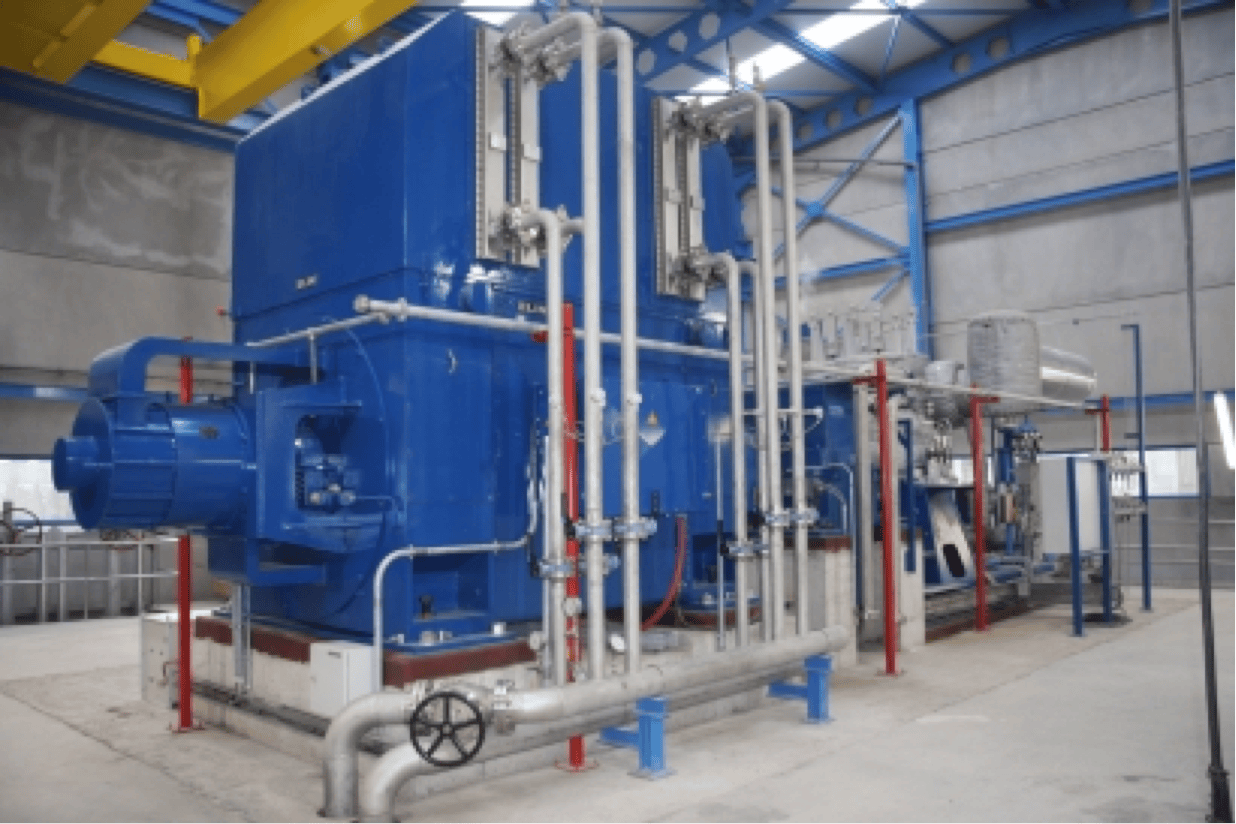
Image: Biomass cogeneration plant in Vizacaya. Source: renewable-energies.com
That said, cogeneration is compatible with:
- Photovoltaic
- Wind
- Geothermal
- Biomass
- Absorption chiller – trigeneration
It is incompatible with:
- Solar thermal
Size cogeneration to cover DHW, maximizing the number of operating hours, low loads and energy accumulation. If you want to increase its use, heating + trigeneration.